Blog / Park Hills Chevrolet Service

5 Reasons to Replace Your Chevrolet Parts at the Dealership

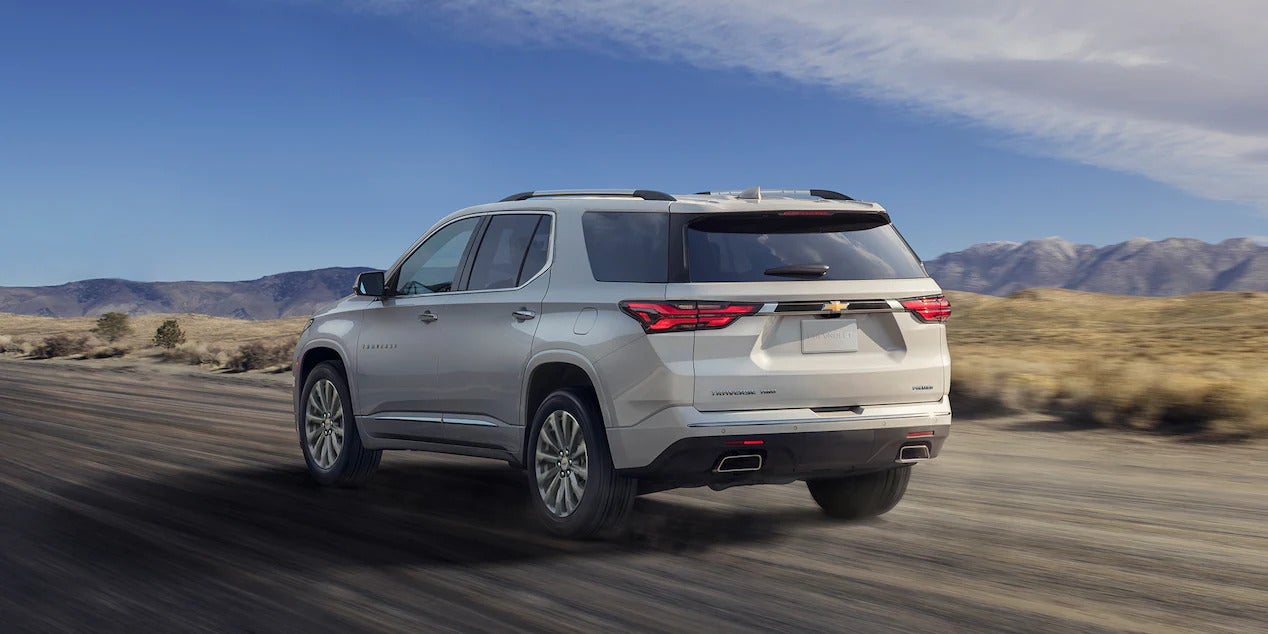
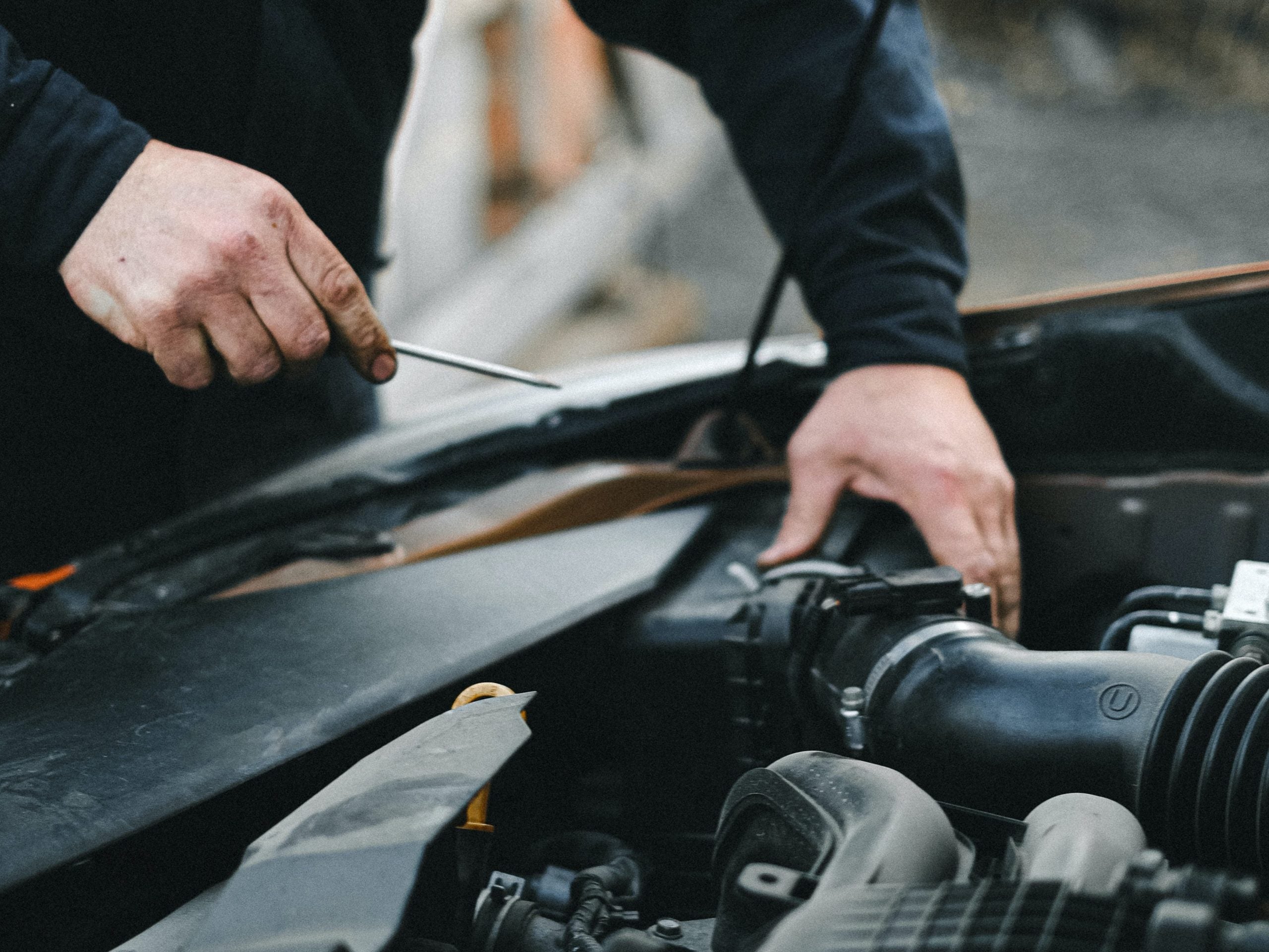
Photo courtesy of Chevrolet.
Your Chevy dealer is one of the best resources for support, maintenance, and providing Chevrolet parts for your vehicle. Your Chevy dealer in Park Hills, MO, offers a lot of great advice and benefits when it's time to replace a part or complete a repair. There are important reasons to replace your vehicle's parts at your dealership in Park Hills, MO.

5 Reasons to Replace Your Chevrolet Parts at the Dealership

1. Guaranteed Coverage Under Warranty

Your vehicle's warranty will cover a lot of repairs and replacement parts, which may include getting all or some work performed by a licensed technician at no cost. When a manufacturer's warranty expires, there is often another warranty plan through the dealership. This backup coverage provides additional assistance for ordering replacement parts through your dealership. You'll receive the best quality replacement parts that are certified while saving high costs.

2. Your Dealership Is Organized and Knowledgeable

Every time you place an order for replacement parts for your vehicle, schedule a tuneup or maintenance, your local dealership will keep a record. Your vehicle's history is constantly accessible at your dealership, and it's helpful when you don't have a copy of a receipt or record of maintenance. When you have access to your car's maintenance history, including proof of original parts, you'll receive better coverage through your warranty plan.

3. Mechanics Are Trained Directly by Chevrolet

Your local dealership offers mechanics specialists in Chevrolet vehicles, which gives you the ultimate advantage over independent mechanic services. It's much easier to order certified parts through a specialist who knows your car and can accurately source the replacement parts you need. You'll also have access to previous orders and repairs performed, providing helpful information for future repairs and maintenance.

4. Great Amenities and Features at Your Dealership

When you visit your dealership for a regular tune-up or inquire about replacement parts, you'll have access to some convenient amenities when you wait for repairs or need to pick up your car. Chevrolet dealerships offer vending machines, free coffee, and a comfortable waiting area to relax while you wait. Some dealers offer a shuttle service or car loaners while your vehicle is repaired or a new part is replaced.

5. Original Equipment Manufacturer Replacement Parts

If you order your replacement parts through your Chevrolet dealer, you'll receive OEM or Original Equipment Manufacturer parts, which are compatible with your warranty's standards. When you purchase replacement parts from an independent parts dealer not sourced from Chevrolet, this may void the warranty and increase the overall costs of preparing your vehicle. Fortunately, Chevrolet-certified mechanics can quickly source OEM parts that are subject to your car's coverage. Your local dealer is an excellent resource for all your Chevy's maintenance and replacement parts needs. Come see us at Park Hills Chevrolet and inquire about our fantastic showroom inventory of new and pre-owned vehicles. We offer fantastic deals and knowledgeable staff to find the right car for your lifestyle and budget. Photo courtesy of Chevrolet.

Posted in:

Related Posts

Time for a Transmission Repair? Visit Your Chevy Dealer Today

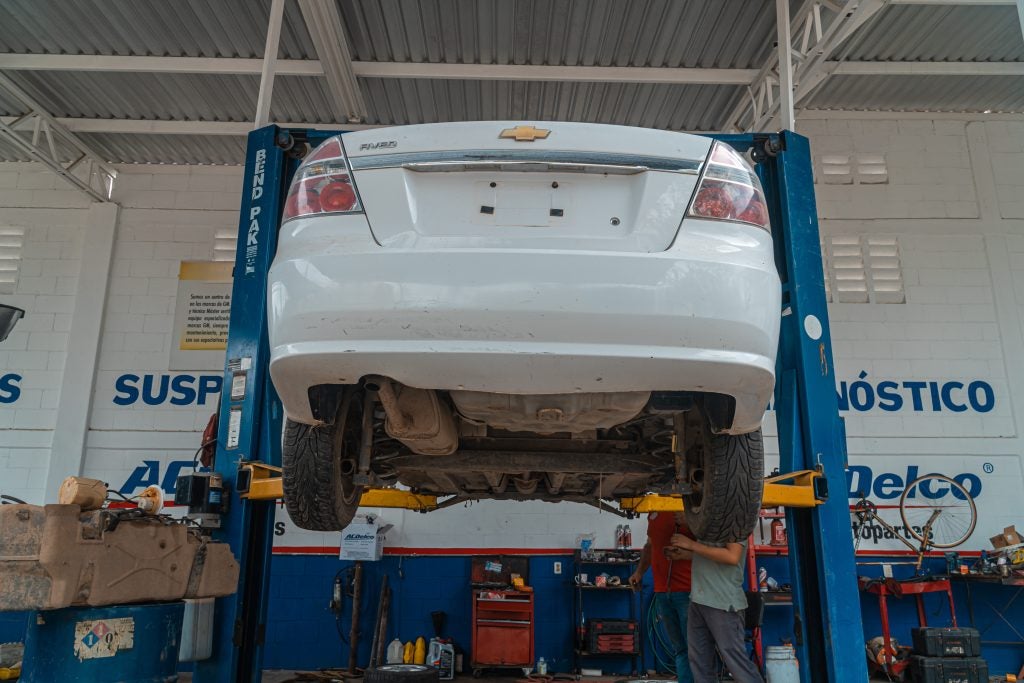
Your Chevy transmission works very hard to transfer the power of your engine to the wheels. The complex process involved in this energy transfer makes your transmission a complex and complicated piece of machinery. Unfortunately, as with any mechanical item, metal fatigue or other damage can leave you in need of a transmission repair. As your Chevy dealer in Park Hills, MO, we can help you when your transmission needs some work. Humming, Whining, or Clunking Your transmission should be silent. When either you or the transmission computer shift gears, the movement should be quiet and unnoticeable. If your transmission starts to make strange sounds, this is a sign that your transmission needs to be checked. If you have an automatic transmission, you'll hear a slight humming that will gradually turn into a whining sound over time. A manual transmission, in contrast, makes louder and harsher sounds. You will usually hear clunking or grinding noises. Sometimes these sounds can be mistaken for other problems, for example, a loose engine mount can make a clunking sound as it shifts when your car moves. Check Engine Light If the check engine light on your dash comes on, it's a sign that something in the engine isn't working correctly. The warning is, unfortunately, general as it doesn't specifically warn you if there's a transmission problem. The light is connected to numerous sensors emplaced throughout your car that monitor its various components for signs of trouble. These sensors can detect minute changes in the behavior of the components they're attached to. An increase in the temperature in your transmission caused by a blocked transmission filter, for example, can cause the check engine light to light up. If your engine light stays on, call our service department so we can find the problem. Slipping Gears When you or the transmission computer shift gears, your transmission should stay in that gear until it's changed. If your transmission starts to slip, it can suddenly and unexpectedly drop back into the previous gear position. If you have a manual transmission, your gear can move into neutral. This situation is extremely dangerous, as it removes your control over your Chevy. A transmission that slips into neutral will automatically cause your car to stop. This unexpected action can also cause damage to the gears and gear teeth. Our technicians will examine the transmission and find the cause of the problem. Dragging Clutch This problem only happens in manual transmissions, and occurs when the flywheel and the clutch disc don't disengage when the clutch pedal is depressed. The issue could be a fault between the master and slave cylinders in your clutch, or it could be due to a fault in your transmission. Our experts will find the cause of the problem and repair it. These are just a few signs that your transmission needs to be checked. If you experience these or any other odd behavior from your transmission, call us at Park Hills Chevrolet. Photo by Mídia: https://www.pexels.com/photo/white-car-in-a-repair-shop-4116170/

Signs You Need a New Car Battery From Your Chevy Dealer

Your Chevy's battery has two main functions. It provides the power to start your engine, and it stores power for the electrical systems to draw from when your car is stationary. The battery, however, isn't designed for long-term use. After a few years, your battery will start to decline, and it will need to be replaced. When this time comes, your Chevy dealer in Park Hills, MO, can replace it with a new car battery. Battery Corrosion When a battery gets older and weaker, the internal components start to break down. The chemical processes that allow your battery to store and supply power destroy the battery itself. Sulfuric acid in the battery converts into other chemicals, and this process reduces the battery's storage capacity. Some of the sulfuric acid vapor will leak out of the battery case into your engine, where it will mix with moisture in the air. The vapor and water form hydrogen gas which crystalizes around your battery terminals. This crystallized gas begins corroding the battery terminals, and this corrosion weakens your battery even further. Left unchecked, the corrosion can also eat through the battery connectors. Signs of corrosion are easy to see by checking your battery. The negative terminal will show flaky white power, and the positive terminal has a green-blue or white salt-like substance. It's time to get a new battery. Your Battery Is Old The average battery life is 3 to 5 years before it needs to be replaced. The battery can last up to six years, but it's also possible for a battery to wear out much sooner. Driving conditions, climate, driving habits, and a worn alternator can kill your battery much sooner. Cold weather, for example, degrades battery strength much faster, and hot weather can damage the delicate components inside the battery. When your battery gets older, its maximum charging level decreases, and it becomes more difficult to charge to that level. This failure is progressive, making your battery steadily weaker. We advise that you have your battery tested at least every three years to ensure that it can still work efficiently. We'll attach the testers to your battery, and we can replace it if it's wearing out. Damaged Battery Case The hard plastic shell of your battery is designed to protect the delicate components inside it and to prevent chemicals like sulfuric acid from escaping. As we've seen, the chemical reactions inside the battery will start to destroy the battery. These reactions can also cause the casing to bulge outwards. The effects of extreme cold and heat contribute to this, and the casing can warp. If you look at your battery and its looks slightly irregular in shape, it will need to be replaced ASAP. A damaged battery case can't be repaired. If your battery is showing signs of aging, it's better to replace it than risk a dead battery. Call our service department at Park Hills Chevrolet and we'll replace it. Photo by Gustavo Fring from Pexels

Does Your Chevy Car or Truck Need a Radiator Repair From Your Chevy Dealer?

The radiator, thermostat, and water pump are part of the cooling system, and together they perform the critical task of keeping your car's engine cool. Overheating is one of the first indications of radiator problems. The following signs will warn you when you need to get to your Chevy dealer for a radiator repair to avoid extensive engine damage and high repair costs. Constant High-Temperature Readings Every component in your car's cooling system must properly function to keep the engine cool. A constant high-temperature reading could be due to low fluids or a broken or malfunctioning thermostat. When the thermostat is not working properly, an incorrect amount of fluid will be released, and your car will overheat. An overheating issue will not go away on its own. Your Chevrolet technician will quickly determine what is causing the problem and repair it effectively before the heat damages other vehicle components. Overheating When Idling When your car overheats when idling, the culprit is most likely the cooling system. If your vehicle overheats while idling, the radiator fan might be malfunctioning. If your car is overheating, pull over. You need to turn off the engine and wait for it to cool down. In the case of overheating, ask your Chevrolet technician to inspect your vehicle's cooling system as soon as possible. A Coolant Leak If you have to fill up the coolant more often, it might indicate that your car is leaking coolant. Check under your vehicle, and if you spot bright green, pink, orange, or yellow puddles, coolant is leaking out. The leak could be from a degraded or loose hose or the radiator itself. If left unattended for too long, leaks could cause severe damage. White Smoke From the Tailpipe An internal coolant leak could cause white smoke to come out of your car's tailpipe. If you see white smoke, pull over and wait until the engine is cool before you check the level of the coolant. If it's low, there might have a coolant leak. Ask your Chevrolet technician to take a look as soon as possible. Steam From Under the Hood If you see steam from under the hood is a sure sign that your vehicle is overheating and that the radiator might be malfunctioning. The best cause of action is to pull over and wait for the engine to cool down. Don't drive your car any further. Contact your dealership while you wait and ask for assistance. A Clogged Radiator If your car is overheating and you see a thick sludge inside the radiator, your radiator is clogged. The thick gooey substance will block the radiator and prevent the coolant from flowing freely, making it more difficult for the radiator to distribute the correct amount of coolant to the engine. Rust and Contaminated Coolant Rust will cause extensive damage. A sign that your radiator is rusty is when the coolant is a brownish color. Act fast and get help from your Chevy technician before the rust makes holes that cause leaks. If you don't get the leaks repaired quickly, the problem will worsen and cost lots of money to repair. If your car shows signs that your radiator needs repair, it's best to schedule an appointment with a qualified Chevrolet technician. You don't want too long to avoid more damage that will lead to expensive repairs. Contact Park Hills Chevrolet today. Our qualified and skilled Chevrolet technicians will ensure that your car's cooling system works perfectly. Photo by Anna Shvets from Pexels