Choosing a new Chevrolet is one decision. Figuring out how you want to pay for it is another, and the second can have consequences long after the excitement of choosing the vehicle has worn off. Leasing and financing work differently because one is built around using a vehicle for a defined term, while the other creates a path toward ownership. For Park Hills, MO, drivers comparing a
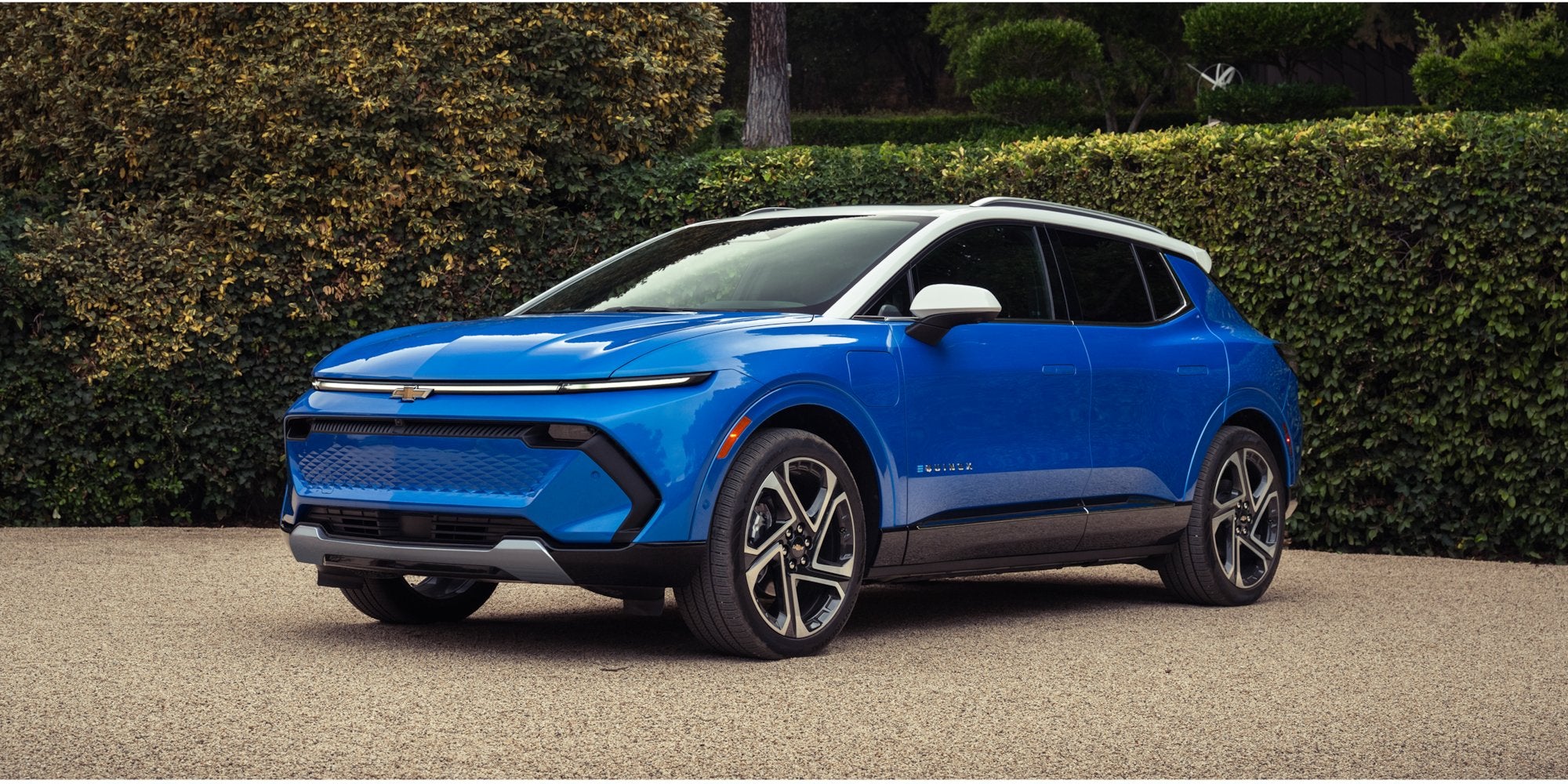
2026 Silverado with a 2027 Equinox or another Chevrolet, the Chevy lease vs. buy question starts with mileage, ownership plans, budget, and how long you expect to keep the vehicle.
A Chevy Lease Covers a Defined Period
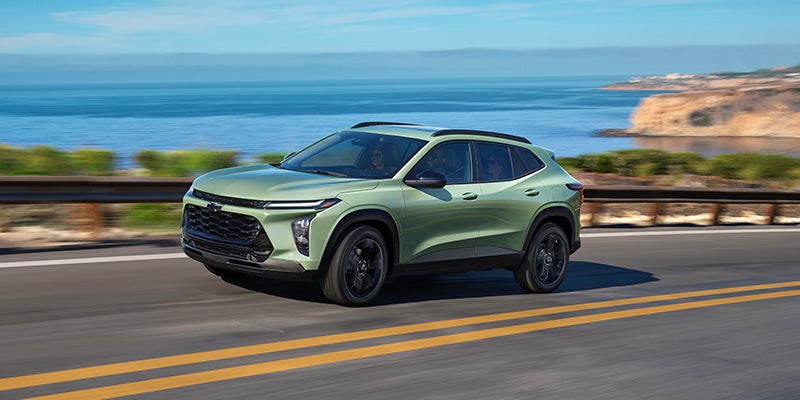
Leasing a Chevrolet typically means using the vehicle for 24 to 36 months while making payments based largely on its depreciation during that term instead of financing its entire value. That can produce lower monthly payments and gives drivers who enjoy changing vehicles every few years a relatively direct route into newer models. Chevrolet lease offers can apply to vehicles such as the 2027 Equinox LT FWD and 2026 Trailblazer. There is a tradeoff: leases typically include mileage limits, and exceeding them can create additional charges when the vehicle is returned. If your commute is long or your annual mileage resembles that of a regional sales representative, calculating those miles before signing is worth the effort.
Financing Creates a Path to Ownership
Buying with Chevrolet financing works differently because the loan covers the vehicle purchase instead of a defined period of use. GM Financial offers financing options that spread repayment across an agreed loan term, after which the vehicle belongs to the owner. There is no lease mileage cap, and ownership provides greater freedom to modify, sell, or trade the vehicle. Chevrolet finance promotions can also change the calculation. The 2026 Silverado 1500, for example, has an available 0% APR offer for 60 months. Interest rate and loan duration both influence the complete borrowing cost, so the headline monthly payment tells only part of the story.
The Costs Behave Differently Over Time
A lease can provide a lower monthly payment because you are not paying toward ownership of the entire vehicle, but the arrangement has an endpoint. When the lease expires, the vehicle can be returned, purchased according to the applicable agreement, or replaced through another lease. Financing usually means higher monthly payments, but each payment moves the loan closer to completion and builds equity over time. Once the loan is paid, there is no vehicle payment attached to that loan. Comparing these structures requires looking beyond what leaves your bank account each month and considering what you have at the end of the agreement.
Mileage and Ownership Plans Can Help Decide
The way you drive may provide the clearest clue. Drivers who keep annual mileage within lease requirements, enjoy changing vehicles regularly, and prioritize lower monthly payments may find leasing fits their plans. Someone who covers substantial mileage, keeps vehicles for many years, or wants unrestricted ownership may find financing better aligned with those habits. A Silverado used extensively for work can present a very different ownership equation from an Equinox driven a predictable commute. Before choosing, estimate annual mileage, consider how long you normally keep a vehicle, and compare the complete terms attached to both options.
Compare Chevy Lease and Finance Options at Park Hills Chevrolet
Park Hills Chevrolet can help local shoppers compare current Chevrolet inventory alongside available lease and GM Financial programs. Review the complete terms, mileage allowances, interest rates, loan lengths, and applicable offers before choosing the structure that fits your driving habits and budget. Visit us in Park Hills, MO, to explore available models and discuss the numbers behind leasing or
financing your next Chevrolet.