





How To Properly Jump-Start a Car
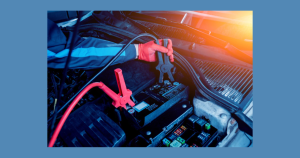
Knowing how to jump-start a car properly is essential for every driver. A dead battery can leave you stranded in inconvenient and dangerous situations.

Why Summer is the Right Time for Maintenance Summer heat tests your vehicle in unexpected ways. Rising temperatures strain your engine, cooling system, tires, and battery, making seasonal maintenance crucial. If you are planning a road trip or navigating your daily commute, proactive upkeep keeps your vehicle reliable. Reach out to our team at Park Hills Chevrolet in Park Hills, MO, for expert advice on preparing your car for the hot weather. Check Your Cooling System First Inspecting your cooling system ranks among the most critical summer service tips. Your radiator, coolant, and hoses work together to prevent engine overheating. Coolant degrades over time, and low levels often cause costly engine damage during hot days. Have a certified technician verify your coolant concentration and inspect for wear or leaks before temperatures peak. Inspect Your Tires for Summer Driving Hot pavement accelerates tire wear and alters inflation pressure. Verify your tires meet the recommended pressure listed in the owner's manual. Inspect the tread depth and look for cracking or uneven wear. Properly maintained tires provide better handling, improved stopping distance, and a safer driving experience. Test Your Battery and Electrical System Many drivers assume battery issues only happen in winter, yet heat causes significant battery failure. High temperatures speed up internal chemical reactions, shortening battery lifespan. Have your battery tested to confirm it holds a proper charge. Catching a weak battery early saves you from unexpected breakdowns. Refresh Your Air Conditioning System Your air conditioning system requires attention before the hottest days arrive. If the cabin cools slowly or smells musty, you likely need a refrigerant check or cabin air filter replacement. A functioning system keeps you comfortable and focused behind the wheel. Addressing AC performance represents a practical step to take before summer begins. Monitor Fluid Levels and Wiper Blades Summer driving demands proper levels and optimal condition for all fluids, including engine oil, brake fluid, power steering fluid, and windshield washer fluid. Change your oil on schedule to protect engine components during high heat. Summer storms also require effective wiper blades. Worn blades streak or skip, reducing visibility during heavy rain. Schedule Your Summer Maintenance Visit Taking a proactive approach to summer maintenance helps you avoid breakdowns, extend vehicle life, and enjoy a safer driving season. Every step ensures your Chevy performs at its peak. Drivers can count on the trusted service team at Park Hills Chevrolet in Park Hills, MO, to handle all seasonal vehicle care. Stop in and let our certified technicians prepare your vehicle for the road ahead.
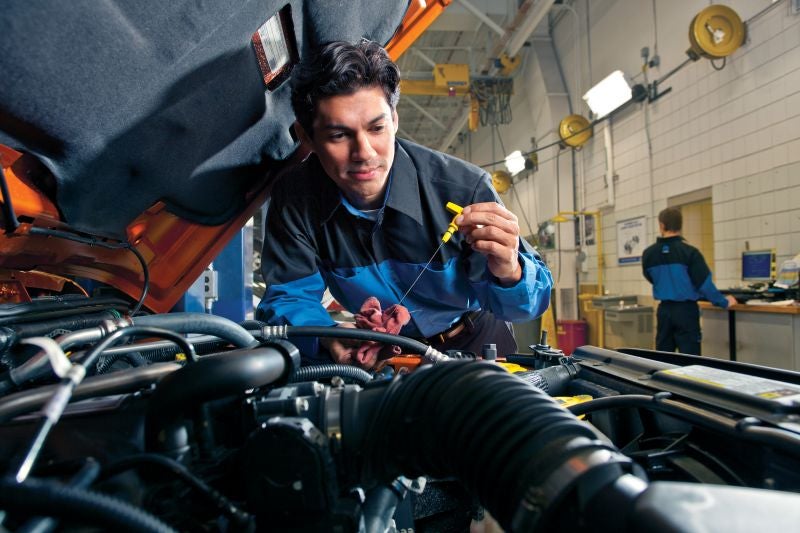
A well-engineered vehicle is only as good as the systems that support it, and few elements are as quietly vital as fluid maintenance. Engine oil, transmission fluid, brake fluid, and coolant form the unseen framework that allows your Chevrolet to operate smoothly, efficiently, and predictably. For drivers in Park Hills, MO, regular Chevy fluid maintenance is less about reacting to problems and more about preserving the integrity of the vehicle itself. When fluids degrade or fall below proper levels, the effects are rarely immediate—but they are cumulative. Heat management suffers, components work harder than intended, and performance gradually loses its refinement. Routine fluid service at Park Hills Chevrolet keeps each system operating as it was designed to, maintaining balance, efficiency, and long-term reliability. Key Fluids to Monitor in Your Chevy Engine Oil Engine oil exists to protect precision. It reduces friction between moving components, manages heat, and helps prevent premature wear. Over time, oil breaks down and collects contaminants, diminishing its ability to perform these tasks effectively. Regular oil changes remain one of the most important aspects of Chevy oil and fluid checks, helping the engine retain smooth operation and mechanical consistency. Transmission Fluid Transmission fluid plays a critical role in both lubrication and hydraulic function. Clean fluid ensures smooth, decisive gear changes and protects internal components from excess heat. When fluid becomes degraded or drops below recommended levels, shifting quality suffers and long-term damage becomes a real concern. Routine inspections at Park Hills Chevrolet help preserve the transmission’s performance and longevity. Brake Fluid Brake fluid is fundamental to driver confidence. It transfers pressure through the braking system, translating pedal input into controlled stopping power. Over time, brake fluid can absorb moisture, reducing effectiveness and responsiveness. Regular brake fluid service in Park Hills helps ensure braking performance remains precise and dependable, particularly in changing driving conditions. Coolant Coolant regulates engine temperature, preventing overheating in summer and freezing in winter. As it ages, its ability to protect internal passages and manage heat diminishes. A scheduled coolant inspection as part of your Chevy fluid maintenance routine helps protect the engine from thermal stress and costly repairs. The Value of Fluid Maintenance at Park Hills Chevrolet Routine fluid service is not about excess—it’s about care taken at the right moment. At Park Hills Chevrolet, certified technicians follow manufacturer guidelines and use OEM-approved fluids to maintain each system as intended by the engineers who designed it. Consistent fluid maintenance can: Preserve the lifespan of key components by reducing internal stress Support smoother performance and improved efficiency Maintain predictable braking and temperature control In the end, regular Chevy fluid maintenance is an investment in continuity. It keeps your vehicle feeling cohesive, responsive, and dependable—qualities that matter just as much years down the road as they do today. Schedule your service at Park Hills Chevrolet today!
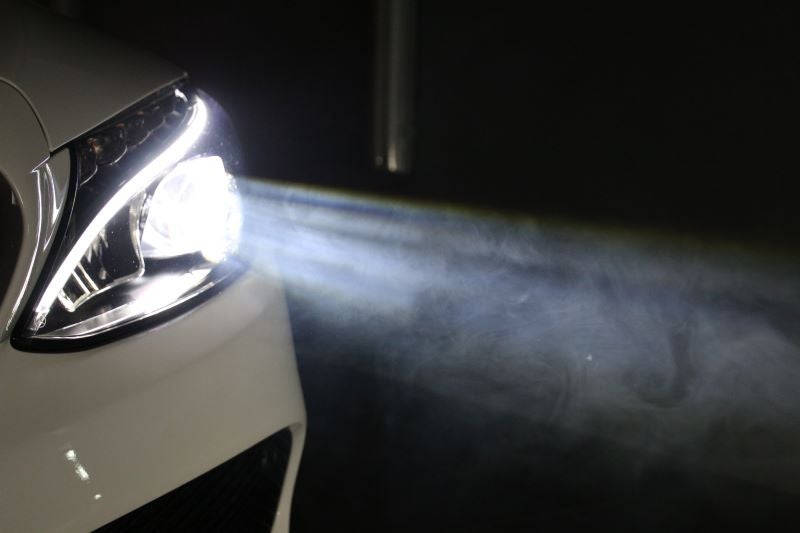
The headlights on your vehicle are fundamental components that ensure safety by providing visibility at night and during poor weather conditions. Understanding when and why to replace them is crucial for every driver. Here's an in-depth look at the indicators of headlight deterioration and when you'll need to head to the Chevy dealer for new headlights. Do You Need New Headlights From Your Chevy Dealer? Intensity Loss and Beam Reach The gradual loss of intensity in your vehicle's headlights is a slow but sure sign that they need attention. If the beam no longer reaches as far as it once did, reducing your reaction time to road hazards, it's a sign of wear. Color Shifts in Light Output Aging headlights can sometimes emit a light that shifts in color, often to a yellow hue, which is less effective in penetrating darkness and can be a precursor to bulb failure. Erratic Headlight Behavior Any flickering or sudden changes in light intensity should be promptly investigated. This could indicate a loose connection or the end of a bulb's lifespan. Consistency Is Key Your vehicle's headlights should ideally emit a consistent and uniform light pattern. If you observe irregular or patchy illumination, this is a clear sign that the headlights may need servicing or replacement. Advancements in Headlight Technology: What to Choose Halogen Bulbs: The Traditional Choice Halogen bulbs have been the standard in automotive lighting for years, prized for their simplicity and cost-effectiveness. However, their shorter operational life and less intense light output make them a less ideal choice for those who frequently drive at night or in low-visibility conditions. High-Intensity Discharge (HID) Headlights: A Brighter Path HID headlights provide a much brighter and whiter light than traditional halogen bulbs, significantly improving visibility. They are known for their efficiency and longer lifespan, but they do come with a higher upfront cost. Light Emitting Diode (LED) Headlights: The Future of Visibility LED headlights represent the cutting edge in headlight technology. They offer superior energy efficiency, a longer lifespan, and are often chosen for their bright, white light that closely mimics natural daylight. Proactive Measures and Replacement Tips Practice Pair Replacement for Uniformity It's always advisable to replace headlights in pairs. A new bulb next to an old one can create an uneven lighting, which can be distracting and potentially dangerous. Get Professional Installation and Alignment Ensuring proper installation and alignment of your new headlights is key. Misaligned headlights can lead to reduced effectiveness and can blind oncoming traffic, creating hazardous driving conditions for everyone: you most especially. At Park Hills Chevy, we understand the importance of reliable and effective headlights. Whether you're looking for a standard replacement or an upgrade to the latest in headlight technology, we're here to provide you with a wide range of options and professional advice. Come see us at Park Hills Chevy and see clearly for the road ahead.