





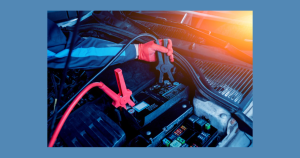
 Knowing how to jump-start a car properly is essential for every driver. A dead battery can leave you stranded in inconvenient and dangerous situations.
Preparing for a Jump-Start
Before attempting to jump-start a car, it’s important to take the necessary precautions and make the right preparations. Safety should always be the top priority, and having the correct tools and materials on hand will make the process smoother.
Safety precautions: Always wear appropriate safety gear, such as gloves and goggles, to protect yourself from potential hazards. Turn off both cars and remove their keys from the ignition. Keep children and bystanders away from the vehicles during the jump-start process.
Required tools: To jump-start a car, you’ll need a set of jumper cables, a working vehicle with a charged battery, and a flat, non-slip surface to park on. A flashlight, a portable jump starter, and a tool kit for troubleshooting any issues are also helpful.
Suitable location: Look for a flat, level surface where both cars can park close together without touching. Ensure enough space to maneuver around both vehicles safely.
Step-by-Step Guide to Jump-Starting a Car
Follow this step-by-step guide when jump-starting a car:
Step 1: Positioning the Cars
Park both vehicles so their batteries are as close as possible without the cars touching. Turn off both engines and ensure the cars are in “park” or “neutral” gear. Engage the handbrake to prevent any movement during the jump-start process.
Step 2: Connecting the Jumper Cables
First, connect one end of the red (positive) jumper cable to the dead battery’s positive terminal. Next, attach the red cable’s other end to the working battery’s positive terminal. After that, connect one end of the black (negative) cable to the working battery’s negative terminal. Finally, attach the black cable’s other end to an unpainted metal surface on the dead car’s engine block, away from the battery. This will serve as a grounding point and help prevent sparks.
Step 3: Starting the Dead Car
Start the working car’s engine and run it for a few minutes to charge the dead battery. Then, attempt to start the dead car. If the engine turns over but doesn’t start, wait a few minutes then try again. Once the dead car has started, let both vehicles run for a few more minutes to ensure the dead battery receives an adequate charge.
Step 4: Disconnecting the Jumper Cables
Once the dead car has started and is running smoothly, disconnect the jumper cables in the reverse order they were connected: first, remove the black cable from the grounding point on the dead car, then detach it from the working battery’s negative terminal. Next, disconnect the red cable from the working battery’s positive terminal and, lastly, from the dead battery’s positive terminal. Be careful not to let the wires touch each other or any metal surfaces.
Knowing how to jump-start a car properly is an invaluable skill. Following this guide, you can successfully revive a dead battery and get back on the road. Maintain your car battery for optimal performance to avoid a similar situation in the future. If you have any questions about the condition of your battery, our experienced service technicians would be happy to help out – schedule an appointment at Park Hills Chevrolet today!
Connect with us


- June 2026
- May 2026
- April 2026
- March 2026
- February 2026
- January 2026
- December 2025
- November 2025
- October 2025
- September 2025
- August 2025
- July 2025
- June 2025
- May 2025
- April 2025
- March 2025
- February 2025
- January 2025
- December 2024
- November 2024
- October 2024
- September 2024
- August 2024
- July 2024
- June 2024
- May 2024
- April 2024
- March 2024
- February 2024
- January 2024
- December 2023
- November 2023
- October 2023
- September 2023
- August 2023
- July 2023
- June 2023
- May 2023
- April 2023
- March 2023
- December 2022
- November 2022
- October 2022
- September 2022
- August 2022
- July 2022
- June 2022
- May 2022
- April 2022
- March 2022
- February 2022
- January 2022
- December 2021
- November 2021
- October 2021
Archives
- 2022 Chevrolet Blazer
- 2022 Chevy Equinox
- 2022 Chevy Trax
- 2024 Best Sports Cars
- 2024 Chevrolet Blazer EV
- 2024 Chevrolet Silverado 1500
- 2024 Chevrolet Warranty
- 2024 Chevy Blazer
- 2024 Chevy Colorado
- 2024 Chevy Corvette Stingray
- 2024 Chevy Equinox
- 2024 Chevy Silverado 2500 HD
- 2024 Chevy Tahoe
- 2024 Chevy Trailblazer
- 2024 Chevy Traverse
- 2024 Chevy Traverse Trim Levels
- 2024 Chevy Trax
- 2024 Chevy Trucks
- 2024 Chevy Warranty
- 2024 Corvette Stingray
- 2025 Chevrolet Trax
- 2025 Chevy Blazer
- 2025 Chevy Blazer EV
- 2025 Chevy Colorado
- 2025 Chevy Equinox
- 2025 Chevy Equinox EV
- 2025 Chevy EV SUVs
- 2025 Chevy Features
- 2025 Chevy Silverado 2500 HD
- 2025 Chevy Silverado 3500 HD
- 2025 Chevy Suburban
- 2025 Chevy SUVs
- 2025 Chevy Tahoe
- 2025 Chevy Tahoe Features
- 2025 Chevy Tahoe vs. the Chevy Traverse
- 2025 Chevy Tech
- 2025 Chevy Technology
- 2025 Chevy Traverse
- 2025 Chevy Traverse Cargo Space
- 2025 Chevy Trucks
- 2025 EV SUVs
- 2025 Small Trucks
- 2026 3-row SUV
- 2026 Best Compact Trucks
- 2026 Chevrolet Silverado 1500
- 2026 Chevrolet Silverado 1500 Park Hills
- 2026 Chevrolet Silverado 2500 HD
- 2026 Chevrolet Vehicles
- 2026 Chevy Colorado
- 2026 Chevy Colorado Trim Levels
- 2026 Chevy Corvette Z06
- 2026 Chevy Equinox
- 2026 Chevy Equinox VS 2026 Chevy Trailblazer
- 2026 Chevy Google Gemini
- 2026 Chevy Silverado 2500 HD
- 2026 Chevy Suburban
- 2026 Chevy SUVS
- 2026 Chevy Tahoe
- 2026 Chevy Traverse
- 2026 Chevy Trax
- 2026 Chevy Trucks
- 2026 Chevy Trucks Park Hills
- 2026 Fuel-Efficient Chevy SUV
- 2026 Small SUVS
- 2026 Trucks Best For Winter
- Activities Near Park Hills, MO
- Auto Loans in Farmington MO
- Auto Winterization Park Hills
- Best 2025 3-row SUV
- Best 2025 Large SUV
- Best 2026 Chevy SUVs
- Best 2026 SUVs
- Best Chevy SUVs
- Best Food in Farmington
- Boutiques Near Park Hills
- Car Financing in Farmington
- Car Maintenance
- Car Winterization Park Hills
- CarFax 1-Owner Vehicles Farmington
- CarFax 1-Owner Vehicles Park Hills
- Chevrolet Maintenance
- Chevy App
- Chevy Battery
- Chevy Battery Park Hills
- Chevy Blazer
- Chevy Blazer EV
- Chevy Bolt
- Chevy Brakes in Farmington
- Chevy Brakes in Park Hills
- Chevy Colorado
- Chevy Compact SUV
- Chevy Corvette Z06 in Park Hills
- Chevy Electric Lease
- Chevy Equinox
- Chevy Essential Maintenance
- Chevy EV
- Chevy Finance Department Farmington
- Chevy Finance Department Park Hills
- Chevy Fluid Maintenance
- Chevy Fluid Park Hills
- Chevy Headlights
- Chevy Lease VS. Buy
- Chevy Maintenance
- Chevy Malibu
- Chevy Oil Change
- Chevy OnStar
- Chevy Safety Features
- Chevy Silverado 1500
- Chevy Silverado 2500
- Chevy Silverado EV
- Chevy Suburban Park Hills
- Chevy Summer Maintenance Tips
- Chevy SUV
- Chevy Tahoe Park Hills
- Chevy Tahoe vs. the Chevy Traverse
- Chevy Technology Smart Phone
- Chevy Tire Rotation
- Chevy Tires
- Chevy Tires in Farmington
- Chevy Tires in Park Hills
- Chevy Trailblazer
- Chevy Traverse in Park Hills
- Chevy Trax
- Chevy Trax Features
- Chevy Trax Trim Levels
- Chevy Winterization Park Hills
- Chevy Youth Sports
- Columbia Park
- Custom Order Chevy Corvette
- Desloge Park
- Elvins Park
- Farmington Chevy Blazer
- Farmington Chevy Colorado
- Farmington Chevy Corvette Z06
- Farmington Chevy Dealer
- Farmington Chevy Dealership
- Farmington Chevy Equinox EV
- Farmington Chevy Lease
- Farmington Chevy Loan
- Farmington Chevy Silverado 2500 HD
- Farmington Chevy Suburban
- Farmington Chevy Tahoe
- Farmington Chevy Traverse
- Farmington Chevy Trucks
- Farmington Tire Rotation
- Farmington Tire Shop
- Gateway Grizzlies
- How to connect Android Auto™ to your Chevy
- How to connect Apple CarPlay® to your Chevy
- Local Area
- Local Parks Near Park Hills
- Missouri 2025 Chevy Equinox
- Missouri State Parks
- MO
- New 2025 Heavy Duty Trucks
- New Chevrolet Blazer EV
- New Chevrolet Silverado 1500
- New Chevrolet Warranty
- New Chevy Blazer
- New Chevy Blazer EV
- New Chevy Colorado
- New Chevy Compact Trucks
- New Chevy Corvette Stingray
- New Chevy Corvette Z06
- New Chevy Equinox
- New Chevy Google Gemini
- New Chevy Silverado 1500
- New Chevy Silverado 2500 HD
- New Chevy Silverado 3500 HD
- New Chevy Small Trucks
- New Chevy Suburban
- New Chevy Tahoe
- New Chevy Tahoe vs. the Chevy Traverse
- New Chevy Technology
- New Chevy Trailblazer
- New Chevy Traverse
- New Chevy Traverse Space
- New Chevy Trax
- New Chevy Trucks
- New Chevy Warranty
- New Tires in Farmington
- New Tires in Park Hills
- New Trailblazer
- New Trax
- Oil Change in Farmington
- Oil Change in Park Hills
- Park Hills 2025 Chevy Equinox
- Park Hills Auto Headlights
- Park Hills Baseball Camps
- Park Hills Brake Repair
- Park Hills Brake Replacement
- Park Hills Car Battery
- Park Hills Car Battery Replacement
- Park Hills Car Battery Service
- Park Hills Chevrolet
- Park Hills Chevrolet Blazer EV
- Park Hills Chevrolet Dealer
- Park Hills Chevrolet Service
- Park Hills Chevy Blazer
- Park Hills Chevy Colorado
- Park Hills Chevy Corvette
- Park Hills Chevy Corvette Stingray
- Park Hills Chevy Equinox
- Park Hills Chevy Equinox EV
- Park Hills Chevy Headlights
- Park Hills Chevy Lease
- Park Hills Chevy Loan
- Park Hills Chevy Service Center
- Park Hills Chevy Silverado 1500
- Park Hills Chevy Silverado 2500
- Park Hills Chevy Silverado 2500 HD
- Park Hills Chevy Silverado 3500 HD
- Park Hills Chevy Suburban
- Park Hills Chevy SUV
- Park Hills Chevy Tahoe
- Park Hills Chevy Test Drive
- Park Hills Chevy Trailblazer
- Park Hills Chevy Traverse
- Park Hills Chevy Trax
- Park Hills Chevy Trucks
- Park Hills EV SUV
- Park Hills Food
- Park Hills Hybrid SUV
- Park Hills Kids Summer Camps
- Park Hills Luxury Cars
- Park Hills MI Chevrolet Inventory
- Park Hills New Trucks For Sale
- Park Hills Oil Change
- Park Hills Parks
- Park Hills Softball Camps
- Park Hills Sports Cars
- Park Hills SUV
- Park Hills Tire Rotation
- Park Hills Trailblazer
- Park Hills Trax
- Park Hills Trucks
- Park Hills Used Cars
- Park Hills Used Trucks
- Park Hills Youth Baseball
- Park Hills Youth Softball
- Park Hills Youth Sports
- Sandwich Shops in Farmington
- Service and Repairs
- Shopping in Park Hills
- Signs you need a new Chevy Battery
- Signs your car needs new Headlights
- Signs Your Chevy Needs An Oil Change
- St. Joe State Park
- St. Louis Chevy Colorado
- St. Louis Chevy Corvette Z06
- St. Louis Chevy Dealer
- St. Louis Chevy Dealership
- St. Louis Chevy Equinox EV
- St. Louis Chevy Loan
- St. Louis Chevy Silverado 2500 HD
- St. Louis Chevy Silverado 3500 HD
- St. Louis Chevy Trucks
- Tahoe vs. the Traverse
- Things to do in Park Hills
- Used Chevy Tires
- When to tell that you need new tires
- When to tell you need a tire rotation
- Winterization Tips For Your Chevy