



Blog / Car Maintenance

Blog

All Car Maintenance Park Hills Chevrolet Dealer Park Hills Chevrolet Park Hills Chevrolet Service Park Hills Chevy Loan Park Hills Chevy SUV Park Hills Used Cars Auto Loans in Farmington MO Chevy SUV Park Hills SUV Best Chevy SUVs Car Financing in Farmington Farmington Chevy Dealership Farmington Chevy Dealer New Chevy Warranty Chevy Compact SUV New Chevy Trucks Park Hills Chevy Lease Park Hills Trucks 2025 Chevy SUVs New Chevrolet Warranty 2026 Chevy SUVS Chevrolet Maintenance Chevy Trax Park Hills Chevy Test Drive Park Hills Chevy Trax Park Hills EV SUV 2024 Chevrolet Warranty 2025 Chevy Tech Chevy EV Chevy Safety Features Chevy Silverado 1500 Farmington Chevy Lease Farmington Chevy Loan New Chevy Blazer EV Park Hills Food 2022 Chevrolet Blazer 2022 Chevy Trax 2024 Chevy Blazer 2024 Chevy Warranty 2025 Chevy Features 2025 Chevy Technology 2026 Small SUVS Activities Near Park Hills, MO Chevy Silverado 2500 Chevy Tires in Farmington Chevy Tires in Park Hills Chevy Trax Features New Chevy Trax New Trax Park Hills Chevy Blazer Park Hills Chevy Equinox Park Hills Chevy Traverse Park Hills Chevy Trucks Park Hills Hybrid SUV Park Hills Trax Park Hills Used Trucks Service and Repairs St. Louis Chevy Dealer St. Louis Chevy Dealership 2022 Chevy Equinox 2024 Chevy Trax 2026 Chevrolet Vehicles Best Food in Farmington Chevy Blazer EV Chevy Essential Maintenance Chevy Finance Department Park Hills Chevy Trax Trim Levels New Chevy Silverado 2500 HD New Chevy Tahoe New Chevy Traverse Park Hills Chevrolet Blazer EV Park Hills Chevy Silverado 1500 Park Hills Chevy Silverado 2500 HD Park Hills Chevy Tahoe Sandwich Shops in Farmington St. Louis Chevy Loan 2024 Chevrolet Blazer EV 2024 Chevy Silverado 2500 HD 2026 Chevy Traverse 2026 Chevy Trax Chevy Brakes in Farmington Chevy Brakes in Park Hills Chevy Colorado Chevy Finance Department Farmington Chevy Maintenance Chevy Tire Rotation Chevy Tires Chevy Trailblazer Farmington Chevy Trucks New Chevrolet Silverado 1500 New Chevy Equinox Park Hills Chevy Colorado Park Hills Chevy Service Center Park Hills Chevy Silverado 2500 Park Hills Chevy Trailblazer 2024 Chevrolet Silverado 1500 2024 Chevy Equinox 2024 Chevy Tahoe 2024 Chevy Trucks 2025 Chevy Equinox 2025 Chevy Tahoe 2025 Chevy Trucks 2025 EV SUVs 2026 Chevy Colorado 2026 Chevy Equinox 2026 Chevy Tahoe 2026 Chevy Trucks 2026 Chevy Trucks Park Hills Best 2026 SUVs Car Winterization Park Hills Chevy Equinox Chevy Oil Change Chevy Tahoe vs. the Chevy Traverse Farmington Chevy Blazer Farmington Chevy Traverse Farmington Tire Rotation New Chevrolet Blazer EV New Chevy Blazer New Chevy Silverado 1500 New Chevy Trailblazer New Tires in Farmington New Tires in Park Hills Oil Change in Farmington Oil Change in Park Hills Park Hills Brake Repair Park Hills Brake Replacement Park Hills Tire Rotation Park Hills Trailblazer Shopping in Park Hills Things to do in Park Hills 2025 Chevrolet Trax 2025 Chevy Blazer 2025 Chevy EV SUVs 2025 Chevy Tahoe Features 2025 Chevy Tahoe vs. the Chevy Traverse 2025 Chevy Traverse 2026 3-row SUV 2026 Chevy Equinox VS 2026 Chevy Trailblazer 2026 Chevy Suburban Auto Winterization Park Hills Best 2025 3-row SUV Best 2025 Large SUV Best 2026 Chevy SUVs Boutiques Near Park Hills Chevy Battery Chevy Battery Park Hills Chevy Lease VS. Buy Farmington Chevy Colorado Farmington Chevy Equinox EV Farmington Chevy Silverado 2500 HD Farmington Chevy Suburban Farmington Chevy Tahoe Farmington Tire Shop Local Area New Chevy Compact Trucks New Chevy Tahoe vs. the Chevy Traverse New Chevy Technology New Trailblazer Park Hills 2025 Chevy Equinox Park Hills Car Battery Park Hills Car Battery Service Park Hills Chevy Equinox EV Park Hills Chevy Suburban Park Hills Luxury Cars Park Hills New Trucks For Sale Park Hills Oil Change Used Chevy Tires 2024 Best Sports Cars 2024 Chevy Colorado 2024 Chevy Corvette Stingray 2024 Chevy Trailblazer 2024 Chevy Traverse 2024 Chevy Traverse Trim Levels 2024 Corvette Stingray 2025 Chevy Blazer EV 2025 Chevy Colorado 2025 Chevy Equinox EV 2025 Chevy Silverado 2500 HD 2025 Chevy Silverado 3500 HD 2025 Chevy Suburban 2025 Chevy Traverse Cargo Space 2025 Small Trucks 2026 Best Compact Trucks 2026 Chevrolet Silverado 1500 2026 Chevrolet Silverado 1500 Park Hills 2026 Chevrolet Silverado 2500 HD 2026 Chevy Colorado Trim Levels 2026 Chevy Corvette Z06 2026 Chevy Google Gemini 2026 Chevy Silverado 2500 HD 2026 Fuel-Efficient Chevy SUV 2026 Trucks Best For Winter CarFax 1-Owner Vehicles Farmington CarFax 1-Owner Vehicles Park Hills Chevy App Chevy Blazer Chevy Bolt Chevy Corvette Z06 in Park Hills Chevy Electric Lease Chevy Fluid Maintenance Chevy Fluid Park Hills Chevy Headlights Chevy Malibu Chevy OnStar Chevy Silverado EV Chevy Suburban Park Hills Chevy Summer Maintenance Tips Chevy Tahoe Park Hills Chevy Technology Smart Phone Chevy Traverse in Park Hills Chevy Winterization Park Hills Chevy Youth Sports Custom Order Chevy Corvette Farmington Chevy Corvette Z06 Gateway Grizzlies How to connect Android Auto™ to your Chevy How to connect Apple CarPlay® to your Chevy Missouri 2025 Chevy Equinox MO New 2025 Heavy Duty Trucks New Chevy Colorado New Chevy Corvette Stingray New Chevy Corvette Z06 New Chevy Google Gemini New Chevy Silverado 3500 HD New Chevy Small Trucks New Chevy Suburban New Chevy Traverse Space Park Hills Auto Headlights Park Hills Baseball Camps Park Hills Car Battery Replacement Park Hills Chevy Corvette Park Hills Chevy Corvette Stingray Park Hills Chevy Headlights Park Hills Chevy Silverado 3500 HD Park Hills Kids Summer Camps Park Hills MI Chevrolet Inventory Park Hills Softball Camps Park Hills Sports Cars Park Hills Youth Baseball Park Hills Youth Softball Park Hills Youth Sports Signs you need a new Chevy Battery Signs your car needs new Headlights Signs Your Chevy Needs An Oil Change St. Louis Chevy Colorado St. Louis Chevy Corvette Z06 St. Louis Chevy Equinox EV St. Louis Chevy Silverado 2500 HD St. Louis Chevy Silverado 3500 HD St. Louis Chevy Trucks Tahoe vs. the Traverse When to tell that you need new tires When to tell you need a tire rotation Winterization Tips For Your Chevy
Auto service technician holding wrenches thumbs up

Chevy Summer Maintenance Tips to Keep You Road-Ready This Season

Why Summer is the Right Time for Maintenance Summer heat tests your vehicle in unexpected ways. Rising temperatures strain your engine, cooling system, tires, and battery, making seasonal maintenance crucial. If you are planning a road trip or navigating your daily commute, proactive upkeep keeps your vehicle reliable. Reach out to our team at Park Hills Chevrolet in Park Hills, MO, for expert advice on preparing your car for the hot weather. Check Your Cooling System First Inspecting your cooling system ranks among the most critical summer service tips. Your radiator, coolant, and hoses work together to prevent engine overheating. Coolant degrades over time, and low levels often cause costly engine damage during hot days. Have a certified technician verify your coolant concentration and inspect for wear or leaks before temperatures peak. Inspect Your Tires for Summer Driving Hot pavement accelerates tire wear and alters inflation pressure. Verify your tires meet the recommended pressure listed in the owner's manual. Inspect the tread depth and look for cracking or uneven wear. Properly maintained tires provide better handling, improved stopping distance, and a safer driving experience. Test Your Battery and Electrical System Many drivers assume battery issues only happen in winter, yet heat causes significant battery failure. High temperatures speed up internal chemical reactions, shortening battery lifespan. Have your battery tested to confirm it holds a proper charge. Catching a weak battery early saves you from unexpected breakdowns. Refresh Your Air Conditioning System Your air conditioning system requires attention before the hottest days arrive. If the cabin cools slowly or smells musty, you likely need a refrigerant check or cabin air filter replacement. A functioning system keeps you comfortable and focused behind the wheel. Addressing AC performance represents a practical step to take before summer begins. Monitor Fluid Levels and Wiper Blades Summer driving demands proper levels and optimal condition for all fluids, including engine oil, brake fluid, power steering fluid, and windshield washer fluid. Change your oil on schedule to protect engine components during high heat. Summer storms also require effective wiper blades. Worn blades streak or skip, reducing visibility during heavy rain. Schedule Your Summer Maintenance Visit Taking a proactive approach to summer maintenance helps you avoid breakdowns, extend vehicle life, and enjoy a safer driving season. Every step ensures your Chevy performs at its peak. Drivers can count on the trusted service team at Park Hills Chevrolet in Park Hills, MO, to handle all seasonal vehicle care. Stop in and let our certified technicians prepare your vehicle for the road ahead.

fluid service

Why You Should Schedule Regular Chevy Fluid Maintenance

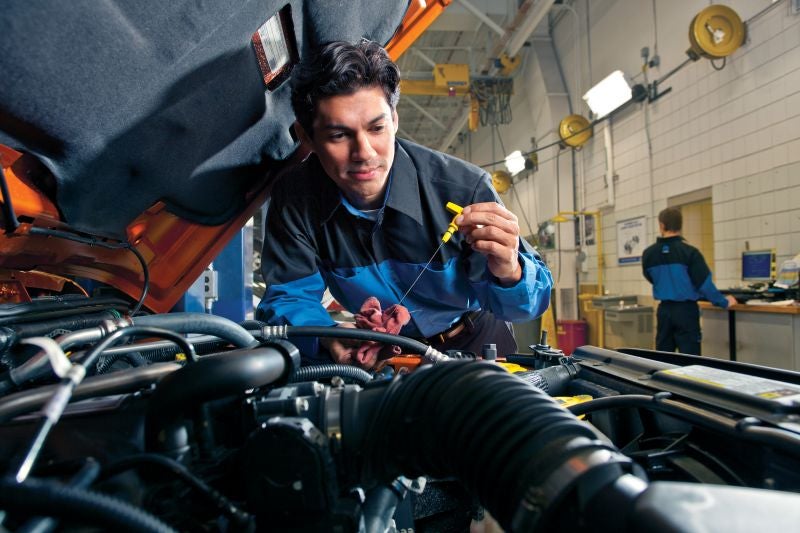
A well-engineered vehicle is only as good as the systems that support it, and few elements are as quietly vital as fluid maintenance. Engine oil, transmission fluid, brake fluid, and coolant form the unseen framework that allows your Chevrolet to operate smoothly, efficiently, and predictably. For drivers in Park Hills, MO, regular Chevy fluid maintenance is less about reacting to problems and more about preserving the integrity of the vehicle itself. When fluids degrade or fall below proper levels, the effects are rarely immediate—but they are cumulative. Heat management suffers, components work harder than intended, and performance gradually loses its refinement. Routine fluid service at Park Hills Chevrolet keeps each system operating as it was designed to, maintaining balance, efficiency, and long-term reliability. Key Fluids to Monitor in Your Chevy Engine Oil Engine oil exists to protect precision. It reduces friction between moving components, manages heat, and helps prevent premature wear. Over time, oil breaks down and collects contaminants, diminishing its ability to perform these tasks effectively. Regular oil changes remain one of the most important aspects of Chevy oil and fluid checks, helping the engine retain smooth operation and mechanical consistency. Transmission Fluid Transmission fluid plays a critical role in both lubrication and hydraulic function. Clean fluid ensures smooth, decisive gear changes and protects internal components from excess heat. When fluid becomes degraded or drops below recommended levels, shifting quality suffers and long-term damage becomes a real concern. Routine inspections at Park Hills Chevrolet help preserve the transmission’s performance and longevity. Brake Fluid Brake fluid is fundamental to driver confidence. It transfers pressure through the braking system, translating pedal input into controlled stopping power. Over time, brake fluid can absorb moisture, reducing effectiveness and responsiveness. Regular brake fluid service in Park Hills helps ensure braking performance remains precise and dependable, particularly in changing driving conditions. Coolant Coolant regulates engine temperature, preventing overheating in summer and freezing in winter. As it ages, its ability to protect internal passages and manage heat diminishes. A scheduled coolant inspection as part of your Chevy fluid maintenance routine helps protect the engine from thermal stress and costly repairs. The Value of Fluid Maintenance at Park Hills Chevrolet Routine fluid service is not about excess—it’s about care taken at the right moment. At Park Hills Chevrolet, certified technicians follow manufacturer guidelines and use OEM-approved fluids to maintain each system as intended by the engineers who designed it. Consistent fluid maintenance can: Preserve the lifespan of key components by reducing internal stress Support smoother performance and improved efficiency Maintain predictable braking and temperature control In the end, regular Chevy fluid maintenance is an investment in continuity. It keeps your vehicle feeling cohesive, responsive, and dependable—qualities that matter just as much years down the road as they do today. Schedule your service at Park Hills Chevrolet today!

smallerauto inspection 5

Maintaining Your 2024 Chevrolet: Essential Services From Your Dealership

Your brand-new Chevrolet needs proper care to maintain its outstanding performance, efficiency, and reliability. That's why we recommend staying on top of essential maintenance services. Here are the crucial services you should get at your local Chevy dealership. Maintaining Your 2024 Chevrolet: Essential Maintenance Services From Your Chevy Dealership Oil Service Regular oil and filter changes keep your Chevy's engine running smoothly for years. Oil lubricates the engine, cools down moving components, and removes dirt and contaminants. You should get timely oil changes using the recommended type of oil in your owner's manual. We can also perform regular engine flushes to thoroughly clean the engine for optimal performance. Air Filter Replacement Your Chevy relies on two air filters to operate smoothly: the engine air and cabin air filters. The engine air filter cleans the air that mixes with fuel in the combustion chambers. The cabin air filter removes dust, exhaust smoke, and allergens from the air flowing into your cabin. You should change these two filters regularly to optimize engine performance and maintain the air quality in your cabin. Tire Maintenance Proper tire maintenance helps maintain smooth handling, safety, and ride comfort. We perform regular tire rotations, balancing, and alignments to promote even tread wear and proper handling. These services also optimize fuel efficiency and increase the lifespan of your tires. If you need new tires, we stock high-quality ones from leading manufacturers. During a tire service, we can also inspect your Chevy's tire pressure monitoring system (TPMS) if it's not detecting low tire pressure. Brake Service Brakes require proper care because they are among your Chevy's most crucial safety components. After miles of use, brake components like the pads and rotors wear out due to friction. This reduces braking power, increases stopping distance, and exposes you to the risk of accidents. Schedule regular brake inspections with our technicians to keep your brakes in excellent condition. We will replace worn components with genuine OEM ones to maintain optimal braking performance. If you get the ABS or brake warning light on the dashboard, schedule a brake service immediately. Check Engine Light Diagnosis A check engine light can be caused by engine issues like faulty sensors, spark plugs, sensors, and emission components. If you get this warning light, bring your Chevy to the dealership for a professional diagnosis. Our technicians use a scanner to read error codes from your Chevy's on-board computer. Once we identify the defective components, we will replace them with OEM ones to restore your engine's performance. Stay on top of regular maintenance to maintain that new-car feel and performance in your Chevy. Contact Park Hills Chevrolet in Park Hills, MO to schedule routine service with our certified technicians.

smallercustomer service 1

Understanding Your 2024 Chevy's Warranty: What's Covered

Understanding what's covered by the Chevy warranty is the best way to avoid jeopardizing your car's coverage. However, a great deal of car owners fail to do this and get caught off guard and frustrated when unexpected issues arise. Before you visit your local Chevy dealer for warranty-related issues, take some time to read through this guide. What the Chevy Warranty Offered at Your Chevy Dealer Covers 1. Bumper-to-Bumper Warranty This warranty covers every component in your car except a list of exclusions specified in the warranty manual. It only covers factory defects and lasts for 3 years or 36,000 miles, whichever comes first. Chevrolet, unlike most manufacturers, also includes tire coverage as part of the bumper-to-bumper warranty. 2. Powertrain Warranty Under the powertrain warranty, you'll find coverage for select parts of your vehicle's engine, transmission/transaxle, transfer case, and drive systems. The typical coverage limit for this warranty is 5 years/60,000 miles, but some vehicles like the Silverado Turbomax are warranted for 100,000 miles. 3. Sheet Metal Warranty The engineers at Chevy design their vehicles to withstand years of wear and tear; however, in the event that manufacturing errors result in sheet metal panels corroding or rusting through, the sheet metal warranty will come into play. Rust-through, being a more serious breach, has a longer coverage limit (6 years/100,000 miles) compared to corrosion (3 years/36,000 miles). 4. Restraint System Warranty A vehicle's seat belt/airbag system is high on the list of components that should work properly at all times, and that is why Chevy offers the restraint system warranty. Under this warranty, Chevy provides free replacements or repairs for defects in the seat belt/airbag system components for the first 6 years/72,000 miles of ownership. 5. Emissions Control System Warranty This warranty covers the parts of your car's emissions control system (EMS), like the catalytic converter and exhaust manifold. The coverage limit of this warranty depends on the type of vehicle. Light trucks and passenger cars, for instance, get EMS coverage for 2 years/36,000 miles. On the other hand, heavy-duty vehicles get EMS coverage for 5 years/50,000 miles. There are also some parts of the emissions control system of light trucks/passenger vehicles that are mission-critical and, as such, are warranted for 8 years/80,000 miles. They include the transmission control module, the engine control module, and the powertrain control module. The Chevy standard car warranty is as comprehensive as it gets. To avoid voiding your warranty, it's advisable to work with an authorized dealer when you require certified repairs and parts. Contact Park Hills Chevrolet in Park Hills, MO for repairs and OEM parts. We also have an impressive inventory in case you need a new or used car.

headlights 2-800

Does Your Chevy Need New Headlights?

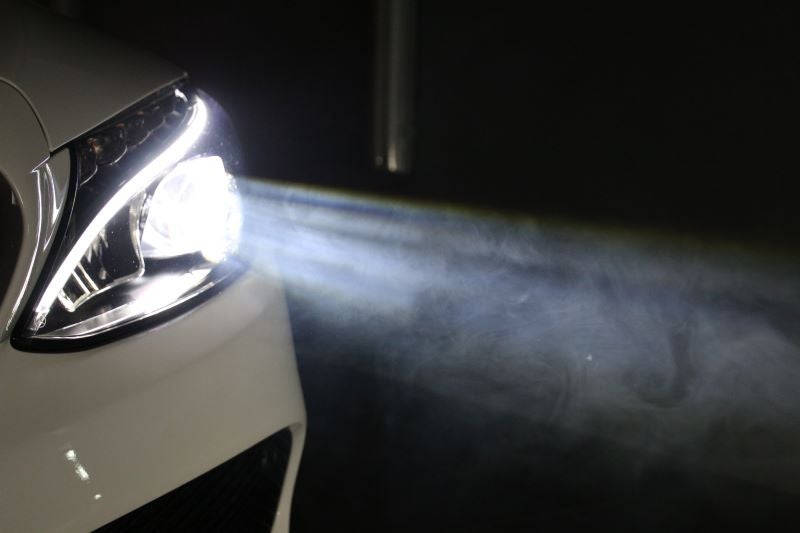
The headlights on your vehicle are fundamental components that ensure safety by providing visibility at night and during poor weather conditions. Understanding when and why to replace them is crucial for every driver. Here's an in-depth look at the indicators of headlight deterioration and when you'll need to head to the Chevy dealer for new headlights. Do You Need New Headlights From Your Chevy Dealer? Intensity Loss and Beam Reach The gradual loss of intensity in your vehicle's headlights is a slow but sure sign that they need attention. If the beam no longer reaches as far as it once did, reducing your reaction time to road hazards, it's a sign of wear. Color Shifts in Light Output Aging headlights can sometimes emit a light that shifts in color, often to a yellow hue, which is less effective in penetrating darkness and can be a precursor to bulb failure. Erratic Headlight Behavior Any flickering or sudden changes in light intensity should be promptly investigated. This could indicate a loose connection or the end of a bulb's lifespan. Consistency Is Key Your vehicle's headlights should ideally emit a consistent and uniform light pattern. If you observe irregular or patchy illumination, this is a clear sign that the headlights may need servicing or replacement. Advancements in Headlight Technology: What to Choose Halogen Bulbs: The Traditional Choice Halogen bulbs have been the standard in automotive lighting for years, prized for their simplicity and cost-effectiveness. However, their shorter operational life and less intense light output make them a less ideal choice for those who frequently drive at night or in low-visibility conditions. High-Intensity Discharge (HID) Headlights: A Brighter Path HID headlights provide a much brighter and whiter light than traditional halogen bulbs, significantly improving visibility. They are known for their efficiency and longer lifespan, but they do come with a higher upfront cost. Light Emitting Diode (LED) Headlights: The Future of Visibility LED headlights represent the cutting edge in headlight technology. They offer superior energy efficiency, a longer lifespan, and are often chosen for their bright, white light that closely mimics natural daylight. Proactive Measures and Replacement Tips Practice Pair Replacement for Uniformity It's always advisable to replace headlights in pairs. A new bulb next to an old one can create an uneven lighting, which can be distracting and potentially dangerous. Get Professional Installation and Alignment Ensuring proper installation and alignment of your new headlights is key. Misaligned headlights can lead to reduced effectiveness and can blind oncoming traffic, creating hazardous driving conditions for everyone: you most especially. At Park Hills Chevy, we understand the importance of reliable and effective headlights. Whether you're looking for a standard replacement or an upgrade to the latest in headlight technology, we're here to provide you with a wide range of options and professional advice. Come see us at Park Hills Chevy and see clearly for the road ahead.

car battery 1-800

4 Signs Your Chevy Needs a New Car Battery

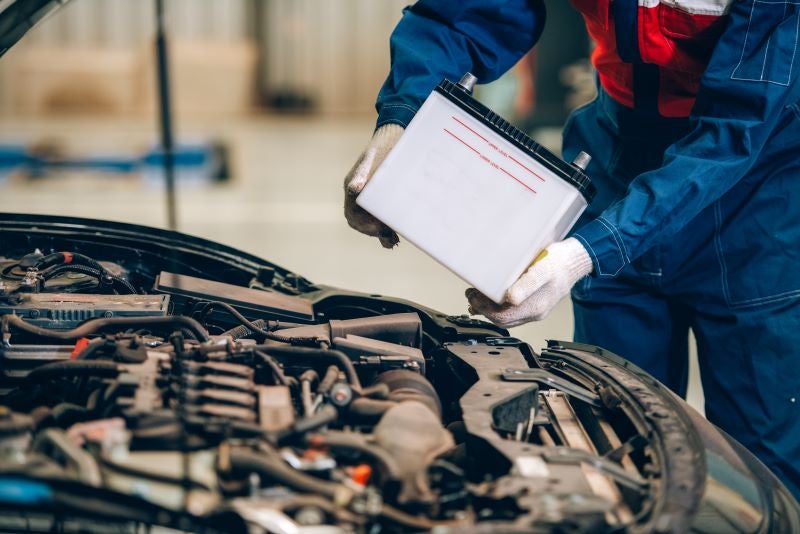
When you start your Chevy, the battery powers it up. When your vehicle's engine is off, the battery also powers all the electrical systems like the dashboard lights and radio. Car batteries do eventually need to be replaced. When it comes time, you'll want to reach out to your Chevy dealership to have a new car battery installed. But, how do you know the signs of when it's time? 4 Signs It's Time To Have Your Chevy Dealership Install a New Car Battery in Your Chevy 1. Old Battery Over time, the car battery starts to wear, loses its charge, and requires replacement. Most car batteries have a lifespan of around three to five years. However, a battery will die much quicker if it's exposed to excessive humidity or heat for long periods of time. It will last longer if you live in a location that's fairly dry and cool. One good indication that your Chevy battery needs replacing is if its warranty is about to expire. If this is the case, you can bring your battery to us, and we'll be happy to test it for you to see if it's about to die. 2. Battery Corrosion The internal components of a car battery begin breaking down as the battery becomes old and weak. The battery contains sulfuric acid. The sulfuric acid vapor can often leak into the car engine and mix with the air's moisture. This mixture forms hydrogen gas that crystallizes and corrodes the battery terminals, weakening the battery even more. The corrosion, left unchecked, can eat through the connectors of the battery. This is why it's important to have the car battery checked at the first sign of corrosion. Corrosion appears as a white salt-looking substance or green-blue substance (positive terminal) and a flaky white powder (negative terminal). 3. Trouble Turning the Engine On No matter how diligent you are with the maintenance and servicing of your Chevy, the battery will eventually wear down. A good sign of this is if you notice your vehicle starts slowly or weakly. If there's a clicking sound and your car won't start, the battery is likely already dead. 4. Electrical Malfunctions If your Chevy's electrical components begin to malfunction, this is often a telltale sign that the battery is weak.  For instance, the power windows or door locks in your vehicle might not be as responsive as normal. Or, you might notice the headlights aren't illuminating as brightly as they should. You may notice flickering of the interior lights when you're idling your vehicle. If you notice any of the above signs, or you suspect your Chevy needs a new battery, we are here for you. Visit Park Hills Chevrolet today to have us check the health of your car battery and replace it, if necessary.

tire rotation 5 resized

Does Your Chevy Need a Tire Rotation?

Your Chevy needs a tire rotation regularly as part of its preventative maintenance. You'll typically get a rotation at the Chevy dealer twice a year, but sometimes your vehicle will let you know that you need one a little sooner than expected. The signs that your tires need to be rotated are pretty easy to spot. How Often Do Tires Need to Be Rotated? Your tires will need to be rotated approximately twice a year. They're usually rotated based on mileage, so you'll have them rotated after every 5,000 to 7,500 miles. If you drive more than the average person, then you might need to get them rotated more frequently than twice a year. You'll also need more frequent rotations if you fit your car with low-quality tires, as lower-quality tires wear down faster than premium ones. Signs You Need to Visit the Chevy Dealer for a Tire Rotation Uneven Wear With regular rotations, your front and back tires should wear down at the same rate. This ensures all four tires have the same grip on the ground and will generally need to be replaced all at the same time. If the front tires start wearing down faster than the back ones, then you need a rotation. You also need a rotation if you notice one of your front tires is more worn down than the other. Frequent Pressure Loss Your tires will naturally lose some pressure over time, and you can just pump a little extra air into them to get the pressure back. However, pay attention to how often each tire loses pressure. If one loses pressure more often than the rest, then it could mean there's too much pressure being placed on it, and the tires should be rotated. Vibrating Vehicle If you notice your vehicle is vibrating when you're driving at speeds over 45 mph, then your tires may have worn down unevenly. You should visit the dealer to get your tires rotated if needed. These vibrations can also indicate that you need to get your wheels aligned or have your tires balanced. Why Is Getting Your Tires Rotated So Important? Your front tires naturally wear down faster than the back ones, as they take the most pressure when you're cornering, and they're constantly dealing with the weight of your transmission. This means you'll have to replace the front tires more often if you don't get regular rotations. Getting your tires rotated means they'll wear down evenly, and the front ones won't need to be replaced more often than the back ones. Swing by Park Hills Chevrolet if your Chevy is letting you know that it needs its tires rotated. We'll be happy to do the job and take care of anything else you need for your car or truck.

brakes 4-smaller

Does Your Chevy Need a Brake Repair?

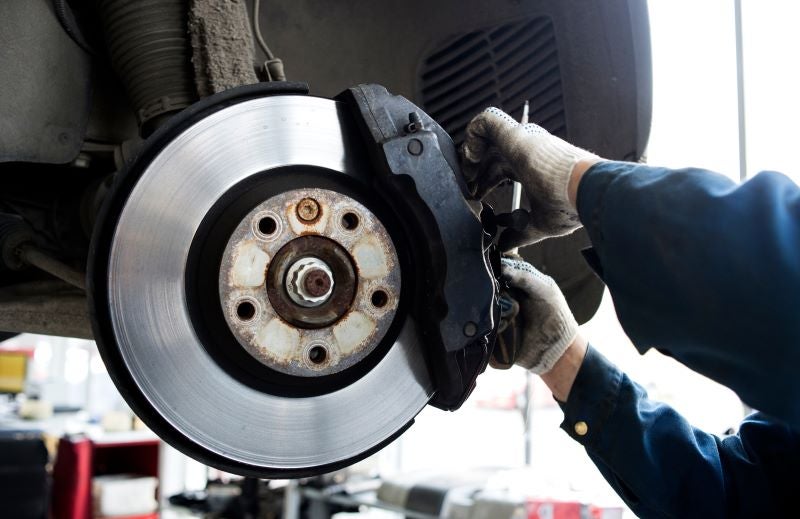
Your Chevy's brakes may not be the most glamorous part of your vehicle, but they are undoubtedly one of the most vital. Knowing when your Chevy needs a brake repair from your Chevy dealer is important to keep you safe behind the wheel of your Malibu, Tahoe, or Silverado. Does Your Chevy Need a Brake Repair From Your Chevy Dealer? Worn Brake Pads Disc brakes are commonly used in most cars. When you step on the brake pedal, the calipers squeeze together on the rotors, causing friction between the pads and rotors to stop your vehicle. With use, the pads wear thin and become less effective at stopping your car. Replace the brake pads before they wear down to a thickness of less than one-quarter of an inch to ensure optimal braking performance. Squealing and Grinding Sounds The wear indicators on your brake pads will squeal when they wear down too much. In time, you'll hear a grinding noise if you don't replace the brake pads. Your brake pads have become so thin that the calipers grind against the rotors. Not only will this not stop your car effectively, but it will also cause damage to your rotors. Unresponsive Brakes Your vehicle uses brake fluid every time you use the brakes. If there's a brake fluid leak in your braking system, an air leak, or the brake pads are worn, it will cause your brakes to be less responsive. Even if you step harder on the pedal, it will take your car longer to slow down and come to a complete stop. Vibrations If you feel vibrations through the brake pedal, it could be due to warped rotors. Uneven contact between the brake pads and rotors produces the vibrations you feel through the pedal. Normally, rotors warp when under severe braking conditions. For instance, driving down steep hills or towing heavy loads can cause the metal of the rotors to warp. Pulling to the Side If your car pulls to one side when you apply the brakes, it may suggest an issue with the braking system. A stuck caliper, unevenly worn brake pads, or a collapsed brake hose could cause the pulling. These problems can cause your car to pull to the left or right when braking. Leaking Brake Fluid When there's too little brake fluid, it will trigger the brake system warning light. If you must regularly top off the brake fluid, check under your car for a yellow or brown puddle. Get leaks repaired as soon as you notice them. Low brake fluid can cause your brakes to fail. A Brake System Warning Lights Is On When there's a problem with your car's brake system, the brake system warning lights will come on. Schedule an appointment with us immediately, and we will perform the necessary repairs to ensure you have all the braking power you need to drive safely. Your brakes must always be in perfect working condition to ensure your safety. If your brakes are not doing their job, call Park Hills Chevrolet today for expert brake system repairs.

car tires 3-800

Time for New Tires? Visit Your Chevy Dealer Today

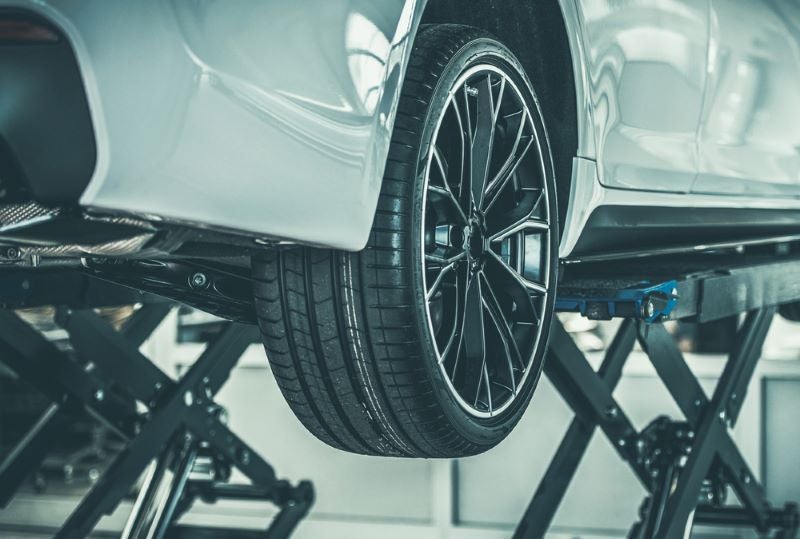
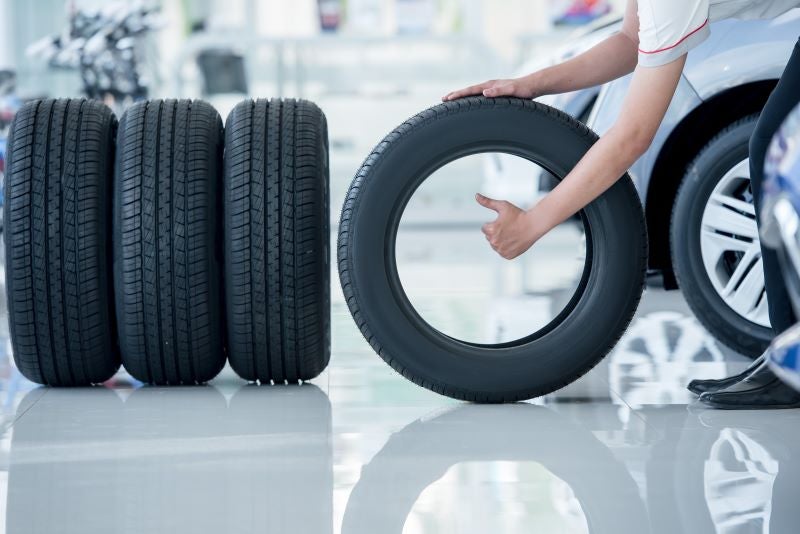
Whether you drive a sleek sedan, a rugged truck, or a versatile SUV, your Chevy has taken you to work, on vacations, and maybe even on some off-road escapades. No matter how well you maintain your ride, there comes a time when you will need some new tires. When that time comes, your Chevy dealer is the place to be! Good Tires Are Important Your tires are the only part of your car that actually touches the road. You wouldn't run a marathon in an old, worn-out pair of sneakers, and you shouldn't hit the road with decaying tires. Worn-out tires can lead to all sorts of problems. Reduced traction means longer stopping distances, which can be a real issue in emergency situations. Plus, bald tires are more susceptible to punctures, and nobody wants to be stuck on the side of the road with a flat. Properly maintained tires not only keep you safer but also improve your fuel efficiency and provide a better driving experience. Signs It's Time for New Tires How do you know it's time to replace your tires? After all, it's not always easy to tell when your tires are on their last legs. Visit your dealership for routine maintenance, and check your tires regularly so you will know when it's time to replace them. Tread Depth If the tread on your tires is worn down to about 2/32 of an inch or less, it's time for replacements. You can easily check this with a penny: just insert it into the tread with Lincoln's head facing down. If you can see all of his head, it's time to swap those tires. Cracks and Bulges Check the sidewalls of your tires for any cracks and bulges. These can be signs of structural damage and are a clear indication that it's time to retire your tires. Uneven Wear If your tires show uneven wear patterns, it could be due to alignment or suspension issues. In any case, it's essential to address the problem and replace the tires. They've Gotten Old Even if your tires look okay, they might be too old. Tires degrade over time, so if they're more than six years old, it's wise to have them inspected by a professional. Tires more than ten years old should be retired. Why Choose Your Chevy Dealer? Your local dealership has a team of certified technicians who understand the specific needs of your vehicle. With a wide range of appropriate options, we'll make sure you leave with the right set of tires for optimal performance and safety. Whether you need all-season tires, performance tires, or something more rugged, we have the tires for you. Plus, when you get a fresh set of tires at the dealership, you're not just getting rubber slapped on your wheels. You're getting a comprehensive service that includes tire mounting, balancing, and alignment. We'll ensure your Chevy is road-ready before you hit the pavement. If you've noticed any of the signs that it's time to replace your tires, or if you're due for a routine check-up, don't hesitate to call! Swing by Park Hills Chevrolet and let our experts take care of your tires. Your Chevy will thank you for it.

Jumper cables | Park Hills Chevrolet in Park Hills, MO

How To Properly Jump-Start a Car

Knowing how to jump-start a car properly is essential for every driver. A dead battery can leave you stranded in inconvenient and dangerous situations. Preparing for a Jump-Start Before attempting to jump-start a car, it's important to take the necessary precautions and make the right preparations. Safety should always be the top priority, and having the correct tools and materials on hand will make the process smoother. more Safety precautions: Always wear appropriate safety gear, such as gloves and goggles, to protect yourself from potential hazards. Turn off both cars and remove their keys from the ignition. Keep children and bystanders away from the vehicles during the jump-start process. Required tools: To jump-start a car, you'll need a set of jumper cables, a working vehicle with a charged battery, and a flat, non-slip surface to park on. A flashlight, a portable jump starter, and a tool kit for troubleshooting any issues are also helpful. Suitable location: Look for a flat, level surface where both cars can park close together without touching. Ensure enough space to maneuver around both vehicles safely. Step-by-Step Guide to Jump-Starting a Car Follow this step-by-step guide when jump-starting a car: Step 1: Positioning the Cars Park both vehicles so their batteries are as close as possible without the cars touching. Turn off both engines and ensure the cars are in "park" or "neutral" gear. Engage the handbrake to prevent any movement during the jump-start process. Step 2: Connecting the Jumper Cables First, connect one end of the red (positive) jumper cable to the dead battery's positive terminal. Next, attach the red cable's other end to the working battery's positive terminal. After that, connect one end of the black (negative) cable to the working battery's negative terminal. Finally, attach the black cable's other end to an unpainted metal surface on the dead car's engine block, away from the battery. This will serve as a grounding point and help prevent sparks. Step 3: Starting the Dead Car Start the working car's engine and run it for a few minutes to charge the dead battery. Then, attempt to start the dead car. If the engine turns over but doesn't start, wait a few minutes then try again. Once the dead car has started, let both vehicles run for a few more minutes to ensure the dead battery receives an adequate charge. Step 4: Disconnecting the Jumper Cables Once the dead car has started and is running smoothly, disconnect the jumper cables in the reverse order they were connected: first, remove the black cable from the grounding point on the dead car, then detach it from the working battery's negative terminal. Next, disconnect the red cable from the working battery's positive terminal and, lastly, from the dead battery's positive terminal. Be careful not to let the wires touch each other or any metal surfaces. Knowing how to jump-start a car properly is an invaluable skill. Following this guide, you can successfully revive a dead battery and get back on the road. Maintain your car battery for optimal performance to avoid a similar situation in the future. If you have any questions about the condition of your battery, our experienced service technicians would be happy to help out – schedule an appointment at Park Hills Chevrolet today!

Contact Us

Fill out this form below and we'll contact you shortly
*Required Fields